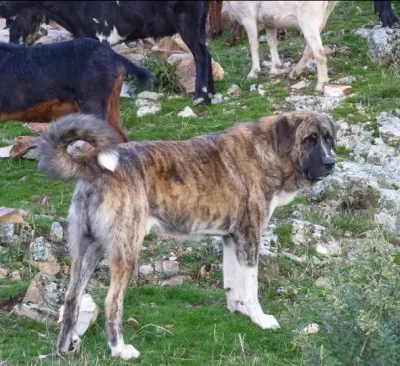
Albanian Wolfdog
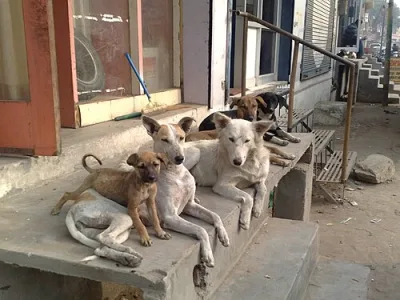
A free-ranging dog is a dog that is not confined to a yard or house. Free-ranging dogs include street dogs, village dogs, stray dogs, feral dogs, etc., and may be owned or unowned. The global dog population is estimated to be 700-900 million, of which approximately 75% are classified as free-ranging. Free-ranging dogs are common in developing countries. It is estimated that there are about 62 million free-ranging dogs in India. In Western countries free-ranging dogs are rare; in Europe they are primarily found in parts of Eastern Europe, and, to a lesser extent, in parts of Southern Europe. Free-ranging dogs survive by adapting to their environment through scavenging through uncollected food waste, hunting small animals, consuming carrion and road kill, or being fed by people. The free-ranging dogs from South Asia, where these animals are very common, are often referred to as pye-dogs. The Indian pariah dog is a landrace of the Indian subcontinent and is often found in the form of street dogs, although some Indian pariah dogs are owned, including by the police. Various human organizations work to manage free-ranging dogs, citing concerns about the spread of rabies, the animals' welfare, and other areas. These include governments, animal rights organizations and other non-governmental organizations, and veterinarians. Some governments have dog-management policies, including trap–neuter–return, the permanent removal of dogs from the streets and their indefinite housing in animal shelters, their (national or international) adoption, or their euthanasia.
| Life Span | 10-14 years |
| Weight | 10-30 kg |
What to Know Before Buying an Albanian Wolfdog
Finding a responsible Albanian Wolfdog breeder requires more than browsing classified ads or responding to social media posts. The USDA requires any breeder who sells dogs commercially, especially those selling online or through third-party dealers, to hold a federal license and submit to regular inspections. A legitimate breeder should be willing to provide their USDA license number, invite you to visit their facility, and show you where the animals are housed and socialized.
Before committing to a purchase, ask the breeder for veterinary health records, vaccination documentation, and any genetic testing results relevant to the Albanian Wolfdog. Reputable breeders will also ask you questions in return, about your living situation, experience with animals, and ability to provide long-term care. A breeder who asks no questions and is eager to ship an animal immediately is a significant red flag.
Use the search tool below to check whether any USDA-licensed facilities breeding Albanian Wolfdogs appear in our database. If they do, review their inspection history carefully. Look for patterns of violations, pay attention to severity levels, and compare their compliance grade with other breeders in the same state. This due diligence takes minutes and can save you from supporting a facility with documented animal welfare problems.
Looking for an Albanian Wolfdog breeder?
Search our database of USDA-licensed facilities to find inspected breeders and check their compliance history.
Search USDA Breeders