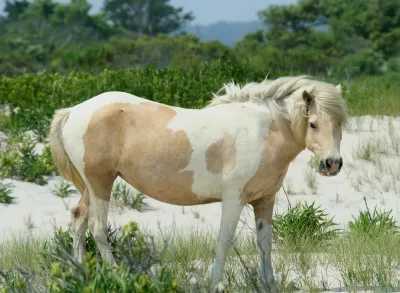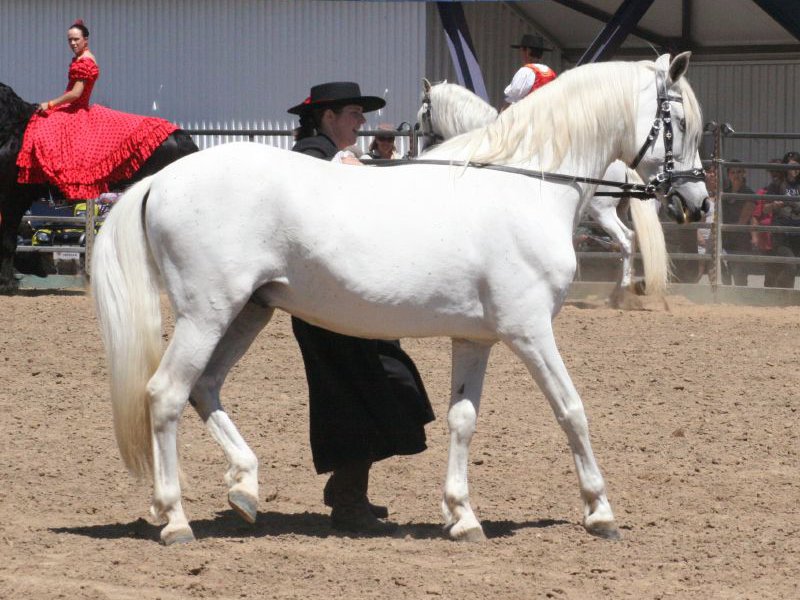
castilian horse
The Andalusian or Pura Raza Española, also known as the Pure Spanish Horse or PRE, is a Spanish breed of riding horse from the Iberian Peninsula, where its ancestors have lived for thousands of years. The Andalusian has been recognized as a distinct breed since the 15th century, and its conformation has changed very little over the centuries. Throughout its history, it has been known for its prowess as a war horse, and was prized by the nobility. The breed was used as a tool of diplomacy by the Spanish government, and kings across Europe rode and owned Spanish horses. During the 19th century, warfare, disease, and crossbreeding reduced herd numbers dramatically, and despite some recovery in the late 19th century, the trend continued into the early 20th century. Exports of Andalusians from Spain were restricted until the 1960s, but the breed has since spread throughout the world, despite its low population. In 2010, more than 185,000 registered Andalusians existed worldwide. Strongly built, and compact yet elegant, Andalusians have long, thick manes and tails. Their most common coat color is gray, although they can be found in many other colors. They are known for their intelligence, sensitivity, and docility. A substrain within the breed known as the Carthusian, is considered by breeders to be the purest strain of Andalusian, though no genetic evidence for this claim is known. The strain is still considered separate from the main breed and is preferred by breeders because buyers pay more for horses of Carthusian bloodlines. Several competing registries are keeping records of horses designated as Andalusian or PRE, but they differ on their definition of the Andalusian and PRE, the purity of various strains of the breed, and the legalities of stud book ownership. At least one lawsuit was in progress as of 2011 to determine the ownership of the Spanish PRE stud book. The Andalusian is closely related to the Lusitano of Portugal, and has been used to develop many other breeds, especially in Europe and the Americas. Breeds with Andalusian ancestry include many of the warmbloods in Europe, as well as Western Hemisphere breeds such as the Azteca. Over its centuries of development, the Andalusian breed has been selected for athleticism and stamina. The horses were originally used for classical dressage, driving, bullfighting, and working livestock. Modern Andalusians are used for many equestrian activities, including dressage, show jumping, and driving. The breed is also used extensively in movies, especially historical pictures and fantasy epics.
| Life Span | 25-30 years |
| Weight | 380-550 kg |
What to Know Before Buying a castilian horse
Finding a responsible castilian horse breeder requires more than browsing classified ads or responding to social media posts. The USDA requires any breeder who sells horses commercially — especially those selling online or through third-party dealers — to hold a federal license and submit to regular inspections. A legitimate breeder should be willing to provide their USDA license number, invite you to visit their facility, and show you where the animals are housed and socialized.
Before committing to a purchase, ask the breeder for veterinary health records, vaccination documentation, and any genetic testing results relevant to the castilian horse. Reputable breeders will also ask you questions in return — about your living situation, experience with animals, and ability to provide long-term care. A breeder who asks no questions and is eager to ship an animal immediately is a significant red flag.
Use the search tool below to check whether any USDA-licensed facilities breeding castilian horses appear in our database. If they do, review their inspection history carefully. Look for patterns of violations, pay attention to severity levels, and compare their compliance grade with other breeders in the same state. This due diligence takes minutes and can save you from supporting a facility with documented animal welfare problems.
Looking for a castilian horse breeder?
Search our database of USDA-licensed facilities to find inspected breeders and check their compliance history.
Search USDA Breeders