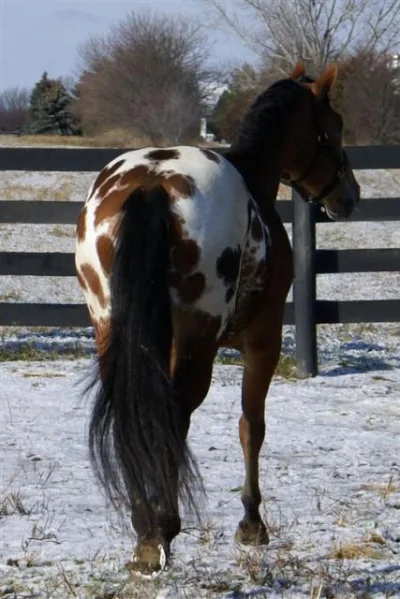
Cheval lorrain
Le Cheval lorrain, nicknamed the haretard, is an ancient working horse breed originating in the Lorraine region, in France. Its origins date back to the 15th century, perhaps by crossbreeding between the Comtois and Ardennais races of the time, although it is claimed, like many other French races, a distant Arab origin. The numerous conflicts which agitated its breeding cradle at the time of Louis XIV lead the peasants to keep and raise small ugly and puny horses, which they are not afraid of seeing captured or requisitioned by armies. Designed for pulling wagons and doing small-scale agricultural work, the Lorraine horse is known to be tough on the job, despite its small size. It disappeared after the second half of the 19th century with the needs of industrialization, in the face of competition from more powerful draft horses and in particular from the Ardennais, which replaced it in its breeding cradle.
| Life Span | 25-30 years |
| Weight | 380-550 kg |
What to Know Before Buying a Cheval lorrain
Finding a responsible Cheval lorrain breeder requires more than browsing classified ads or responding to social media posts. The USDA requires any breeder who sells horses commercially — especially those selling online or through third-party dealers — to hold a federal license and submit to regular inspections. A legitimate breeder should be willing to provide their USDA license number, invite you to visit their facility, and show you where the animals are housed and socialized.
Before committing to a purchase, ask the breeder for veterinary health records, vaccination documentation, and any genetic testing results relevant to the Cheval lorrain. Reputable breeders will also ask you questions in return — about your living situation, experience with animals, and ability to provide long-term care. A breeder who asks no questions and is eager to ship an animal immediately is a significant red flag.
Use the search tool below to check whether any USDA-licensed facilities breeding Cheval lorrains appear in our database. If they do, review their inspection history carefully. Look for patterns of violations, pay attention to severity levels, and compare their compliance grade with other breeders in the same state. This due diligence takes minutes and can save you from supporting a facility with documented animal welfare problems.
Looking for a Cheval lorrain breeder?
Search our database of USDA-licensed facilities to find inspected breeders and check their compliance history.
Search USDA Breeders