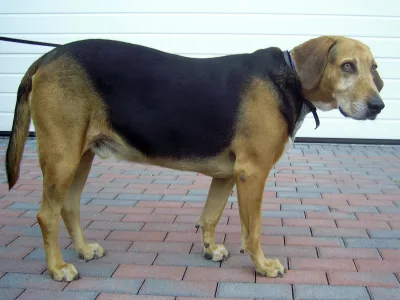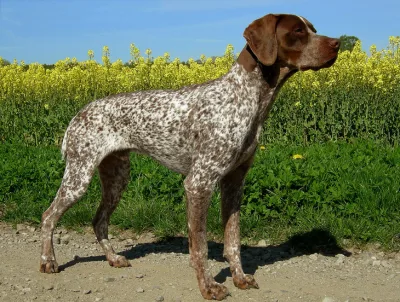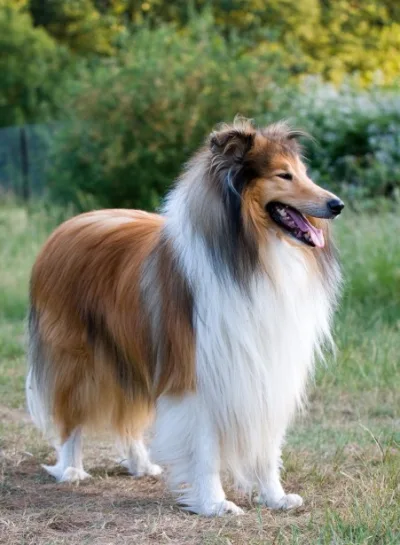
collie
Collies form a distinctive type of herding dogs, including many related landraces and standardized breeds. The type originated in Scotland and Northern England. Collies are medium-sized, fairly lightly-built dogs, with pointed snouts. Many types have a distinctive white color over the shoulders. Collies are very active and agile, and most types of collies have a very strong herding instinct. Collie breeds have spread through many parts of the world (especially North America and Australia), and have diversified into many varieties, sometimes mixed with other dog types. Some collie breeds have remained as working dogs for herding cattle, sheep, and other livestock, while others are kept as pets, show dogs or for dog sports, in which they display great agility, stamina and trainability. While the American Kennel Club has a breed they call "collie", in fact collie dogs are a distinctive type of herding dog inclusive of many related landraces and formal breeds. There are usually major distinctions between show dogs and those bred for herding trials or dog sports: The latter typically display great agility, stamina, and trainability, and most importantly intelligence. Common use of the unmodified name "collie" in some areas is limited largely to certain breeds – the name means Rough Collie by default in parts of the United States, and Border Collie by default in many rural parts of Great Britain. Many collie dog types do not actually include "collie" in their name – for example the Welsh Sheepdog.
| Life Span | 10-14 years |
| Weight | 10-30 kg |
What to Know Before Buying a collie
Finding a responsible collie breeder requires more than browsing classified ads or responding to social media posts. The USDA requires any breeder who sells dogs commercially, especially those selling online or through third-party dealers, to hold a federal license and submit to regular inspections. A legitimate breeder should be willing to provide their USDA license number, invite you to visit their facility, and show you where the animals are housed and socialized.
Before committing to a purchase, ask the breeder for veterinary health records, vaccination documentation, and any genetic testing results relevant to the collie. Reputable breeders will also ask you questions in return, about your living situation, experience with animals, and ability to provide long-term care. A breeder who asks no questions and is eager to ship an animal immediately is a significant red flag.
Use the search tool below to check whether any USDA-licensed facilities breeding collies appear in our database. If they do, review their inspection history carefully. Look for patterns of violations, pay attention to severity levels, and compare their compliance grade with other breeders in the same state. This due diligence takes minutes and can save you from supporting a facility with documented animal welfare problems.
Looking for a collie breeder?
Search our database of USDA-licensed facilities to find inspected breeders and check their compliance history.
Search USDA Breeders