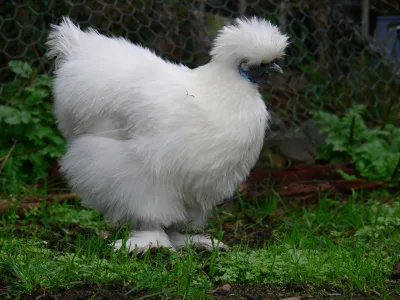
Holland
Holland is a geographical region and former province on the western coast of the Netherlands. From the 10th to the 16th century, Holland proper was a unified political region within the Holy Roman Empire as a county ruled by the counts of Holland. By the 17th century, the province of Holland had risen to become a maritime and economic power, dominating the other provinces of the newly independent Dutch Republic. The area of the former County of Holland roughly coincides with the two current Dutch provinces of North Holland and South Holland into which it was divided, and which together include the Netherlands' three largest cities: the capital city (Amsterdam), the home of Europe's largest port (Rotterdam), and the seat of government (The Hague). Holland has a population of 6,583,534 as of November 2019, and a population density of 1203/km2. The name Holland has frequently been used informally and erroneously to refer to the whole of the country of the Netherlands. This casual usage is commonly accepted in other countries, and is even employed by many Dutch themselves. However, some in the Netherlands (particularly those from regions outside Holland or the west) find it undesirable or misrepresentative to use the term for the whole country. In January 2020, the Netherlands officially dropped its support of the word Holland for the whole country, which included a logo redesign that changed "Holland" to "NL".
| Life Span | 5-10 years |
| Weight | 2-5 kg |
What to Know Before Buying a Holland
Finding a responsible Holland breeder requires more than browsing classified ads or responding to social media posts. The USDA requires any breeder who sells chickens commercially — especially those selling online or through third-party dealers — to hold a federal license and submit to regular inspections. A legitimate breeder should be willing to provide their USDA license number, invite you to visit their facility, and show you where the animals are housed and socialized.
Before committing to a purchase, ask the breeder for veterinary health records, vaccination documentation, and any genetic testing results relevant to the Holland. Reputable breeders will also ask you questions in return — about your living situation, experience with animals, and ability to provide long-term care. A breeder who asks no questions and is eager to ship an animal immediately is a significant red flag.
Use the search tool below to check whether any USDA-licensed facilities breeding Hollands appear in our database. If they do, review their inspection history carefully. Look for patterns of violations, pay attention to severity levels, and compare their compliance grade with other breeders in the same state. This due diligence takes minutes and can save you from supporting a facility with documented animal welfare problems.
Looking for a Holland breeder?
Search our database of USDA-licensed facilities to find inspected breeders and check their compliance history.
Search USDA Breeders