Jutland cattle
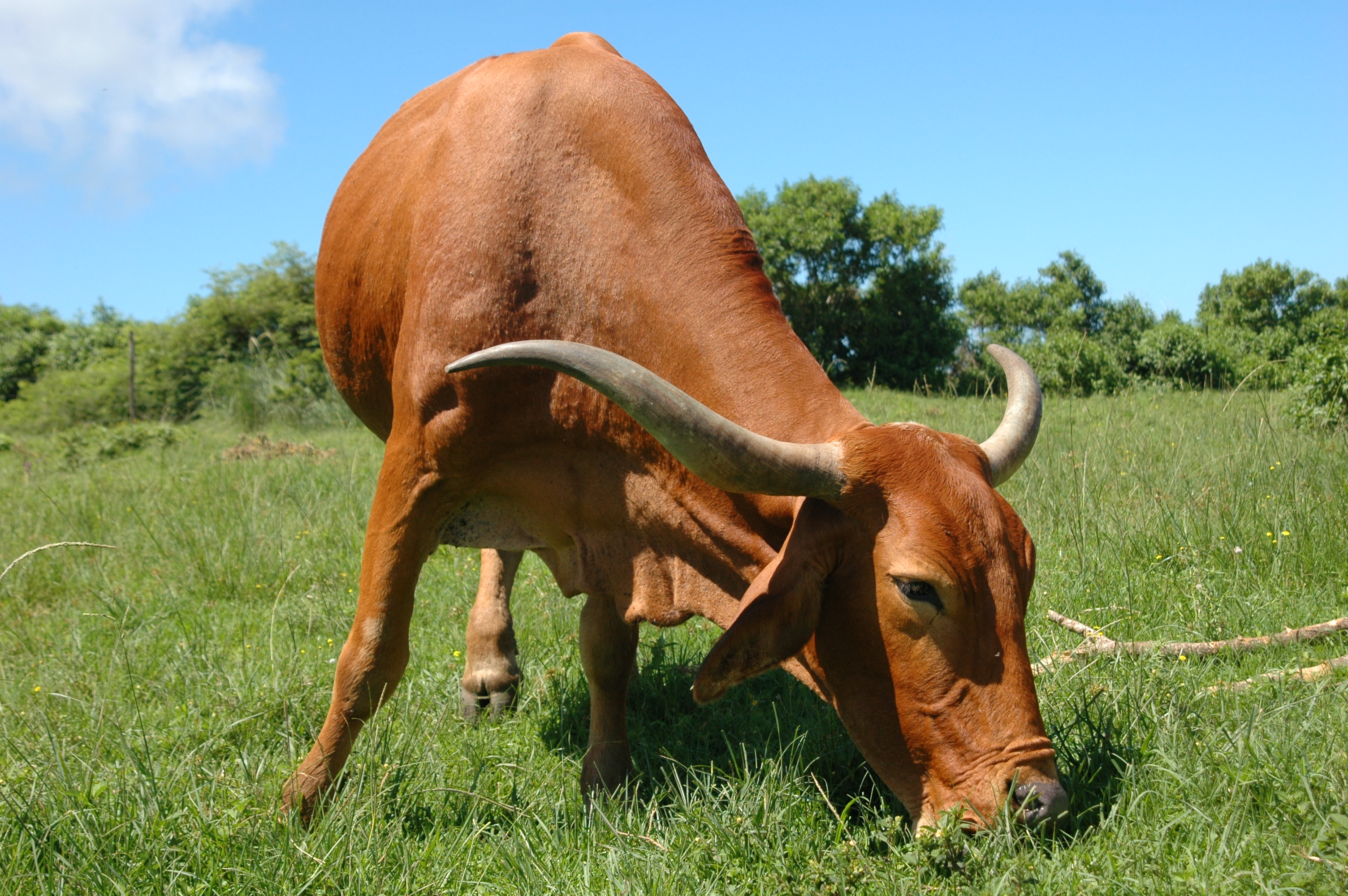
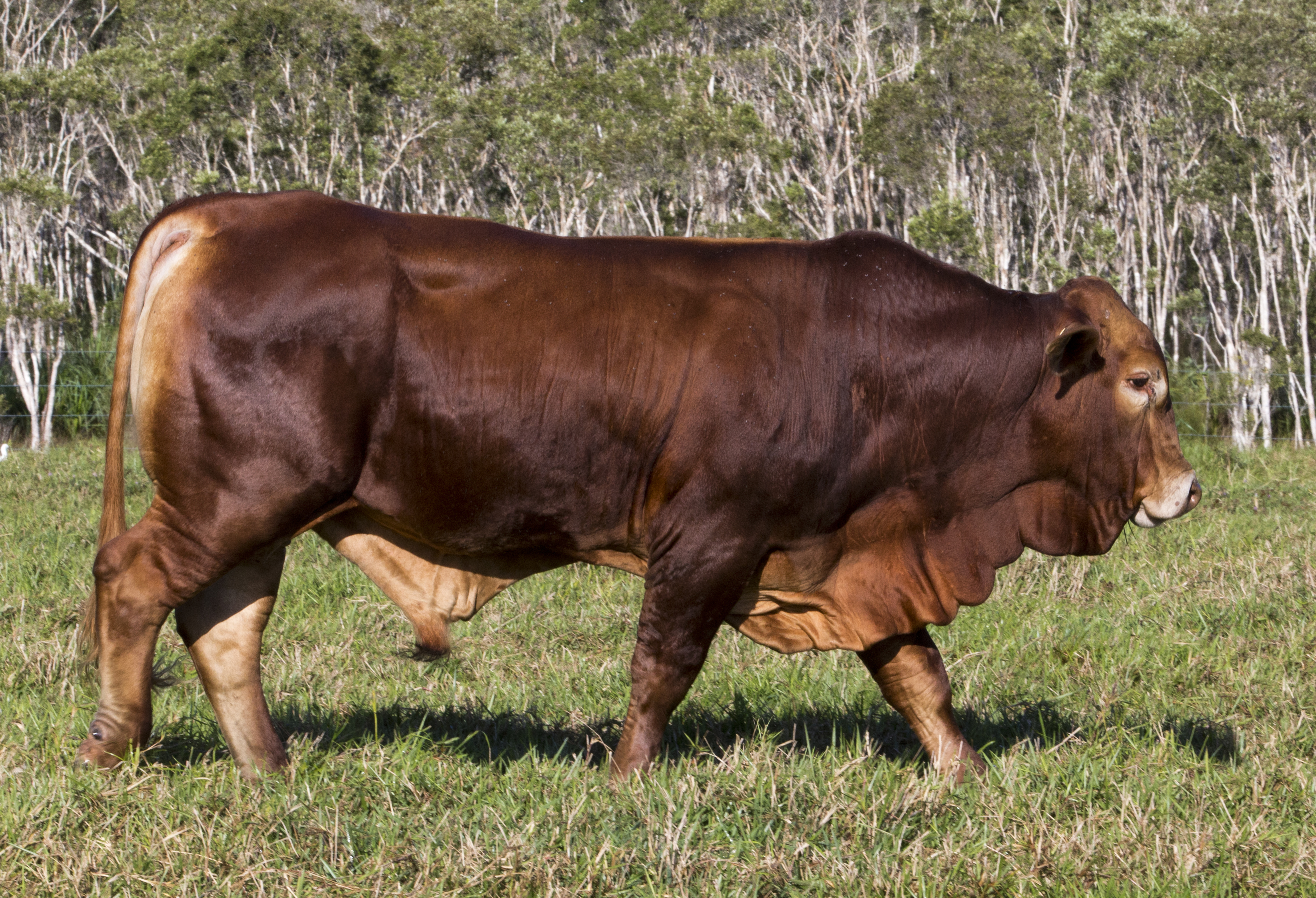
Jutland cattle are a rare Danish breed of cattle used in both dairy and beef production. Bred from the indigenous cattle of Jutland the breed could be light grey, dark grey or black pied with upward curving horns. The first herdbook published in 1881 had a small dairy type and a larger beef type. The dairy cows were small, averaging 120 cm high and weighing 350 kg, producing between 800 and 1000 kg of milk per lactation. In the first half of the 20th century the breed was extensively crossed with Dutch black and white cattle to boost milk production. By 1949 Dutch cattle and crosses were accepted into the herdbook and the name was changed to Danish Black and White Cattle. In 1955 the last purebred young bull was exhibited. Since 1987 the Jutland breed has been reconstructed using unregistered stock from farms which had avoided crossing their cattle with Dutch cattle. The modern cows are typically 132 cm tall at the withers and weigh 550 kg, while bulls are typically 145 cm tall and weigh 1000 kg. In 2004 there were 49 breeders with a total of 121 cows and 11 bulls. Breeders receive financial support from the Danish government to keep the breed.
| Life Span | 18-22 years |
| Weight | 450-900 kg |
What to Know Before Buying a Jutland cattle
Finding a responsible Jutland cattle breeder requires more than browsing classified ads or responding to social media posts. The USDA requires any breeder who sells cattles commercially — especially those selling online or through third-party dealers — to hold a federal license and submit to regular inspections. A legitimate breeder should be willing to provide their USDA license number, invite you to visit their facility, and show you where the animals are housed and socialized.
Before committing to a purchase, ask the breeder for veterinary health records, vaccination documentation, and any genetic testing results relevant to the Jutland cattle. Reputable breeders will also ask you questions in return — about your living situation, experience with animals, and ability to provide long-term care. A breeder who asks no questions and is eager to ship an animal immediately is a significant red flag.
Use the search tool below to check whether any USDA-licensed facilities breeding Jutland cattles appear in our database. If they do, review their inspection history carefully. Look for patterns of violations, pay attention to severity levels, and compare their compliance grade with other breeders in the same state. This due diligence takes minutes and can save you from supporting a facility with documented animal welfare problems.
Looking for a Jutland cattle breeder?
Search our database of USDA-licensed facilities to find inspected breeders and check their compliance history.
Search USDA Breeders