Kaimanawa horse
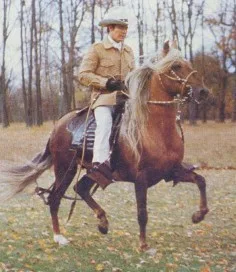
Kaimanawa horses are a population of feral horses in New Zealand that are descended from domestic horses released in the 19th and 20th centuries. They are known for their hardiness and quiet temperament. The New Zealand government strictly controls the population to protect the habitat in which they live, which includes several endangered species of plants. The varying heritage gives the breed a wide range of heights, body patterns and colours. They are usually well-muscled, sure-footed and tough. Horses were first reported in the Kaimanawa Range in 1876, although the first horses had been brought to New Zealand in 1814. The herds grew as horses escaped or were released from sheep stations and cavalry bases. Some of the horses were recaptured by the locals to be riding horses, as well as for their meat, hair, and hides. The number of horses declined as large-scale farms and forestry operations were built on the ranges, and there was only around 174 horses by 1979. The New Zealand government started protecting the Kaimanawa horses in 1981, and there were 1,576 horses by 1994. Roundups have been carried out annually since 1993 to manage the size of the herd, removing around 2,800 horses altogether. All suitable horses are available for rehoming after the roundups. The Kaimanawa horse population is listed as a herd of special genetic value by the United Nations' Food and Agriculture Organization, and several studies have been conducted on the herd dynamics and habits of the breed. There is also a small unmanaged population of feral horses on the Aupōuri Peninsula at the northern tip of the North Island. The majority of Kaimanawa horses are small but tough and sure-footed, and they are widely popular as Pony Club mounts and showjumpers. They are also popular as stock horses for high country stations.
| Life Span | 25-30 years |
| Weight | 380-550 kg |
What to Know Before Buying a Kaimanawa horse
Finding a responsible Kaimanawa horse breeder requires more than browsing classified ads or responding to social media posts. The USDA requires any breeder who sells horses commercially — especially those selling online or through third-party dealers — to hold a federal license and submit to regular inspections. A legitimate breeder should be willing to provide their USDA license number, invite you to visit their facility, and show you where the animals are housed and socialized.
Before committing to a purchase, ask the breeder for veterinary health records, vaccination documentation, and any genetic testing results relevant to the Kaimanawa horse. Reputable breeders will also ask you questions in return — about your living situation, experience with animals, and ability to provide long-term care. A breeder who asks no questions and is eager to ship an animal immediately is a significant red flag.
Use the search tool below to check whether any USDA-licensed facilities breeding Kaimanawa horses appear in our database. If they do, review their inspection history carefully. Look for patterns of violations, pay attention to severity levels, and compare their compliance grade with other breeders in the same state. This due diligence takes minutes and can save you from supporting a facility with documented animal welfare problems.
Looking for a Kaimanawa horse breeder?
Search our database of USDA-licensed facilities to find inspected breeders and check their compliance history.
Search USDA Breeders