King Charles Spaniel
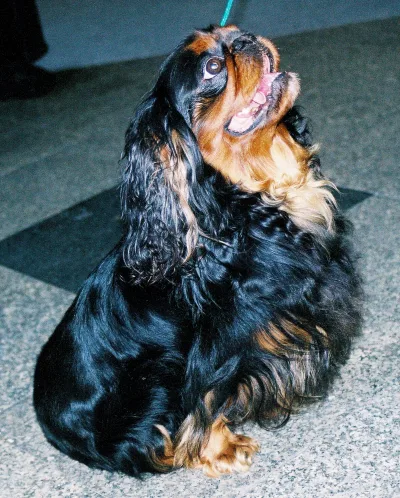
The King Charles Spaniel (also known as the English Toy Spaniel) is a small dog breed of the spaniel type. In 1903, The Kennel Club combined four separate toy spaniel breeds under this single title. The other varieties merged into this breed were the Blenheim, Ruby and Prince Charles Spaniels, each of which contributed one of the four coat colours now seen in the breed. Thought to have originated in East Asia, and possibly acquired by European traders via the Spice Road, early toy spaniels were first seen in Europe during the 16th century. They became linked with English royalty during the rule of Queen Mary I (from 1553-1558), eventually earning their name after being made famous by their association with King Charles II. Ruling from 1660-1685, Charles II owned many small dogs which accompanied him and his entourage about their daily business. Members of the breed were also owned by Queen Victoria (Dash) and her great-granddaughter Grand Duchess Anastasia Nikolaevna of Russia. The modern King Charles Spaniel, and the other types of toy spaniels, are likely the result of crossbreeding historic spaniels with other East Asian breeds (such as the Japanese Chin, Pekingese, and the Pug) in the early 19th century. This was done mainly to reduce the size of the nose and snout, as was the style of the day. The 20th century saw attempts to restore lines of King Charles Spaniels to the breed of Charles II's time. These included the unsuccessful Toy Trawler Spaniel and the now popular Cavalier King Charles Spaniel. The Cavalier is slightly larger, with a flat head and a longer nose, while the King Charles is smaller, with a domed head and a flat face. Historically the breeds that were merged into the King Charles Spaniel were used for hunting; due to their stature they were not well suited. They have kept their hunting instincts, but do not exhibit high energy and are better suited to being lapdogs. The modern breed is prone to several health problems, including cardiac conditions and a range of eye problems.
| Life Span | 10-14 years |
| Weight | 10-30 kg |
What to Know Before Buying a King Charles Spaniel
Finding a responsible King Charles Spaniel breeder requires more than browsing classified ads or responding to social media posts. The USDA requires any breeder who sells dogs commercially, especially those selling online or through third-party dealers, to hold a federal license and submit to regular inspections. A legitimate breeder should be willing to provide their USDA license number, invite you to visit their facility, and show you where the animals are housed and socialized.
Before committing to a purchase, ask the breeder for veterinary health records, vaccination documentation, and any genetic testing results relevant to the King Charles Spaniel. Reputable breeders will also ask you questions in return, about your living situation, experience with animals, and ability to provide long-term care. A breeder who asks no questions and is eager to ship an animal immediately is a significant red flag.
Use the search tool below to check whether any USDA-licensed facilities breeding King Charles Spaniels appear in our database. If they do, review their inspection history carefully. Look for patterns of violations, pay attention to severity levels, and compare their compliance grade with other breeders in the same state. This due diligence takes minutes and can save you from supporting a facility with documented animal welfare problems.
Looking for a King Charles Spaniel breeder?
Search our database of USDA-licensed facilities to find inspected breeders and check their compliance history.
Search USDA Breeders