Koolie
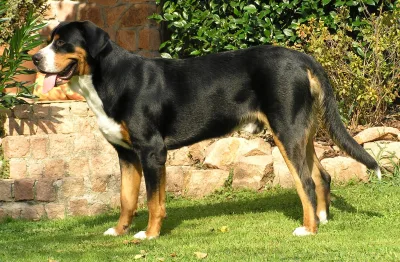
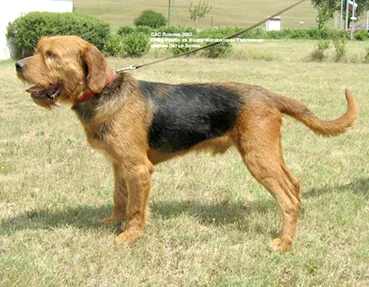
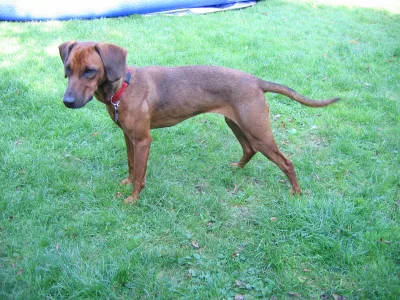
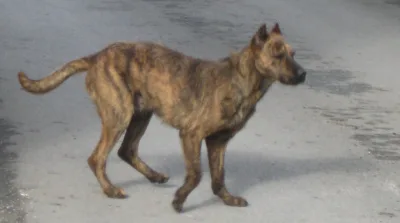
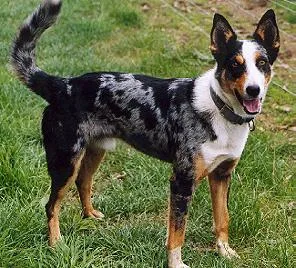
The Koolie (also known as the Australian Koolie or by the historic misnomer "German Coolie") is an Australian dog breed. The Koolie is a working or herding dog which has existed in Australia since the early 19th century when it was bred from imported British working dogs. Robert Kaleski, in an article on Cattle Dogs in the August 1903 issue of the Agricultural Gazette of New South Wales, describes the "Welsh heeler or merle, erroneously known as the German collie," as a "blue-gray dog about the size and build of a smooth-haired collie, generally with wall eyes." The British background predominated in the dogs that came to be associated with the "German collie" name. There is substantial variation in the Koolie population, as Koolies were bred to exhibit different characteristics in different regions. The breed is based on its ability to work rather than on its conformation. However, most Koolie breeders refer to the Koolie as a breed rather than as a type, and assert that it "breeds true", with various types or strains. The Koolie is a "herding dog", one which has a natural instinct to circle widely round sheep and bring them back to their owner. Koolies are known as silent, upright, working dogs. They are used for herding sheep and also for quiet careful work at close quarters at lambing time or for "shedding" (cutting out) sheep. With the demand for farming dogs no longer being what it was, the Koolie has proven its worth in many other fields where it is renowned for its sensitivity, athleticism and obedience, excelling in agility, tracking, therapy, disability & emotional support service, and as the ultimate outdoor & family companion, providing they are well trained.
| Life Span | 10-14 years |
| Weight | 10-30 kg |
What to Know Before Buying a Koolie
Finding a responsible Koolie breeder requires more than browsing classified ads or responding to social media posts. The USDA requires any breeder who sells dogs commercially, especially those selling online or through third-party dealers, to hold a federal license and submit to regular inspections. A legitimate breeder should be willing to provide their USDA license number, invite you to visit their facility, and show you where the animals are housed and socialized.
Before committing to a purchase, ask the breeder for veterinary health records, vaccination documentation, and any genetic testing results relevant to the Koolie. Reputable breeders will also ask you questions in return, about your living situation, experience with animals, and ability to provide long-term care. A breeder who asks no questions and is eager to ship an animal immediately is a significant red flag.
Use the search tool below to check whether any USDA-licensed facilities breeding Koolies appear in our database. If they do, review their inspection history carefully. Look for patterns of violations, pay attention to severity levels, and compare their compliance grade with other breeders in the same state. This due diligence takes minutes and can save you from supporting a facility with documented animal welfare problems.
Looking for a Koolie breeder?
Search our database of USDA-licensed facilities to find inspected breeders and check their compliance history.
Search USDA Breeders