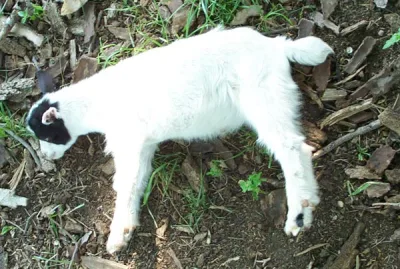
Lariana
The Lariana or Capra di Livo is an indigenous breed of domestic goat from the province of Como, in Lombardy in northern Italy. It is raised in the Livo valley and throughout the western Lario; the two names of the breed derive from these places. It is of Alpine type and has highly variable characteristics. Management is extensive: the animals are kept on alpine pasture from May to December, and brought under cover for the winter months. The Lariana is one of the forty-three autochthonous Italian goat breeds of limited distribution for which a herdbook is kept by the Associazione Nazionale della Pastorizia, the Italian national association of sheep- and goat-breeders. At the end of 2013 the registered population was variously reported as 2777 and as 3091. A breed named Val di Livo, from the same area and with the same characteristics, is also separately reported to DAD-IS; it was listed by the Food and Agriculture Organization of the United Nations in 2007 as extinct.
| Life Span | 12-14 years |
| Weight | 25-75 kg |
What to Know Before Buying a Lariana
Finding a responsible Lariana breeder requires more than browsing classified ads or responding to social media posts. The USDA requires any breeder who sells goats commercially — especially those selling online or through third-party dealers — to hold a federal license and submit to regular inspections. A legitimate breeder should be willing to provide their USDA license number, invite you to visit their facility, and show you where the animals are housed and socialized.
Before committing to a purchase, ask the breeder for veterinary health records, vaccination documentation, and any genetic testing results relevant to the Lariana. Reputable breeders will also ask you questions in return — about your living situation, experience with animals, and ability to provide long-term care. A breeder who asks no questions and is eager to ship an animal immediately is a significant red flag.
Use the search tool below to check whether any USDA-licensed facilities breeding Larianas appear in our database. If they do, review their inspection history carefully. Look for patterns of violations, pay attention to severity levels, and compare their compliance grade with other breeders in the same state. This due diligence takes minutes and can save you from supporting a facility with documented animal welfare problems.
Looking for a Lariana breeder?
Search our database of USDA-licensed facilities to find inspected breeders and check their compliance history.
Search USDA Breeders