Lykoi Cat
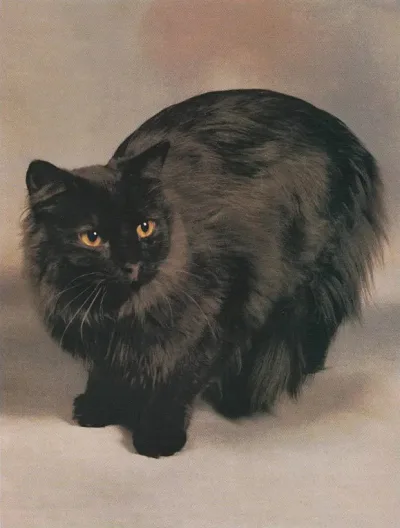
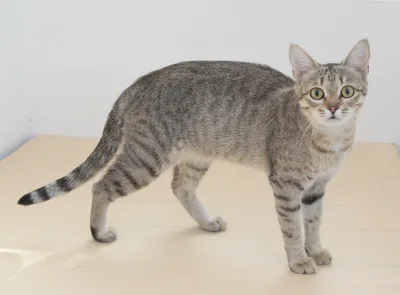
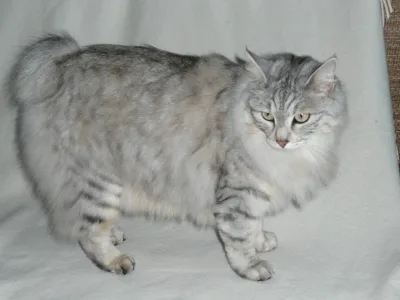
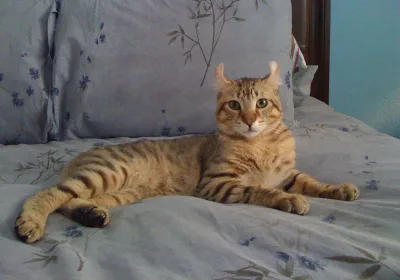
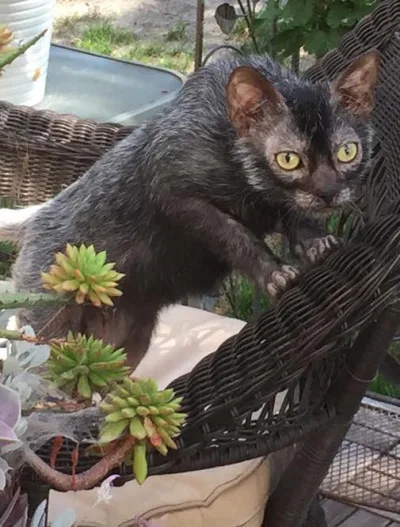
The Lykoi (commonly called wolf cat or werewolf cat) is a breed of cat derived from a natural mutation causing a form of hypotrichia (e.g. congenital alopecia) found in domestic short-haired cats. This mutation results in sparse, patchy fur, particularly around the face, giving individuals a "wolf-like" appearance, as well as periodic full or partial molting. Lykoi cats are highly susceptible to cysts and other skin problems. The name Lykoi comes from Greek: λύκος, romanized: lýkos, meaning 'wolf.' They are often described as having sweet personalities and as being active, playful, reserved, and independent. Their striking visual appearance may invoke horror films for some. The roan pattern standard for Lykoi cats is unique among cats. DNA testing confirms that the cats do not carry several genes responsible for other hair variations, including the KRT71 mutations responsible for hairlessness in Sphynx cats and for curly hair in Devon rex and Selkirk rex cats. The breed was developed by Brittney Gobble in Vonore, Tennessee, in the early 2010s, with the first intentionally-bred Lykoi kitten being born in 2011. Dr. Leslie Lyons, veterinary Dr. Johnny Gobble, and UC Davis were involved in the initial genetic testing to determine overall health before development of the breed was continued. Patti Thomas and Wendy Barnes were also involved. Sixteen distinct lineages have been identified as of 2020, with founders hailing from Canada, France, and across the US, including Tennessee, Virginia, Texas, and Missouri. As of 2020, at least four different variations of the genome that cause this condition have been identified.
| Life Span | 12-18 years |
| Weight | 3-6 kg |
What to Know Before Buying a Lykoi Cat
Finding a responsible Lykoi Cat breeder requires more than browsing classified ads or responding to social media posts. The USDA requires any breeder who sells cats commercially, especially those selling online or through third-party dealers, to hold a federal license and submit to regular inspections. A legitimate breeder should be willing to provide their USDA license number, invite you to visit their facility, and show you where the animals are housed and socialized.
Before committing to a purchase, ask the breeder for veterinary health records, vaccination documentation, and any genetic testing results relevant to the Lykoi Cat. Reputable breeders will also ask you questions in return, about your living situation, experience with animals, and ability to provide long-term care. A breeder who asks no questions and is eager to ship an animal immediately is a significant red flag.
Use the search tool below to check whether any USDA-licensed facilities breeding Lykoi Cats appear in our database. If they do, review their inspection history carefully. Look for patterns of violations, pay attention to severity levels, and compare their compliance grade with other breeders in the same state. This due diligence takes minutes and can save you from supporting a facility with documented animal welfare problems.
Looking for a Lykoi Cat breeder?
Search our database of USDA-licensed facilities to find inspected breeders and check their compliance history.
Search USDA Breeders