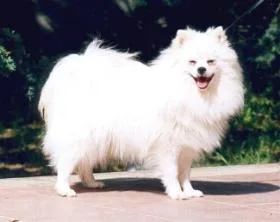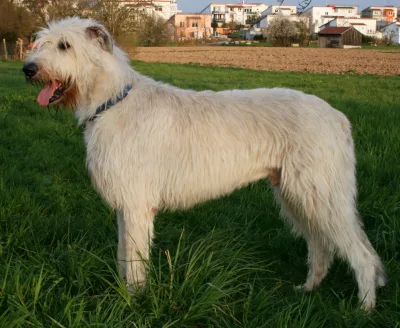
Moscow Water Dog
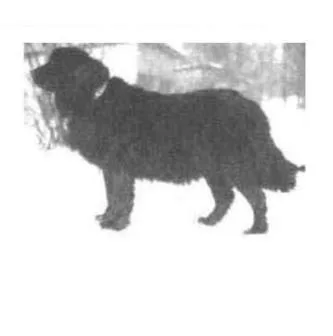
The Moscow Water Dog, also known as the Moscow Diver, Moscow Retriever or Moskovsky Vodolaz, was a little-known dog breed derived from the Newfoundland, Caucasian Shepherd Dog and East European Shepherd. It is now extinct, but was used in the development of the Black Russian Terrier. The Moscow Water Dog was produced only by the Red Star Kennels, the state-operated organization chartered to provide working dogs for the armed services of the Soviet Union. The breeding program was discontinued as the dogs would attack drowning victims instead of saving them. After World War II, there were very few working dogs in the Soviet Union, as many had been killed during the war. Some were imported but there were not enough to establish a dedicated breeding programme for a specific breed. The Central Military School of Working Dogs (the Red Star Kennels), under the command of Colonel G. P. Medvedev began working on developing a number of its own specialised breeds by crossing the available stock. A few breeds were established, including the Moscow Newfoundland, a cross of the German Shepherd Dog and the Newfoundland; the Moscow Great Dane, using the German Shepherd Dog and the Great Dane; the Brudasty Hound, which was an Airedale Terrier and Russian Hound cross; the Moscow Watchdog, a combination of the St. Bernard and the Caucasian Shepherd Dog; and the Moscow Water Dog. The most successful breed to come out of the programme was the Black Russian Terrier, which gained international recognition in 1984; it derived from a combination of 14 different breeds, including the Moscow Water Dog in the later stages of its development.
| Life Span | 10-14 years |
| Weight | 10-30 kg |
What to Know Before Buying a Moscow Water Dog
Finding a responsible Moscow Water Dog breeder requires more than browsing classified ads or responding to social media posts. The USDA requires any breeder who sells dogs commercially, especially those selling online or through third-party dealers, to hold a federal license and submit to regular inspections. A legitimate breeder should be willing to provide their USDA license number, invite you to visit their facility, and show you where the animals are housed and socialized.
Before committing to a purchase, ask the breeder for veterinary health records, vaccination documentation, and any genetic testing results relevant to the Moscow Water Dog. Reputable breeders will also ask you questions in return, about your living situation, experience with animals, and ability to provide long-term care. A breeder who asks no questions and is eager to ship an animal immediately is a significant red flag.
Use the search tool below to check whether any USDA-licensed facilities breeding Moscow Water Dogs appear in our database. If they do, review their inspection history carefully. Look for patterns of violations, pay attention to severity levels, and compare their compliance grade with other breeders in the same state. This due diligence takes minutes and can save you from supporting a facility with documented animal welfare problems.
Looking for a Moscow Water Dog breeder?
Search our database of USDA-licensed facilities to find inspected breeders and check their compliance history.
Search USDA Breeders