Nokota horse
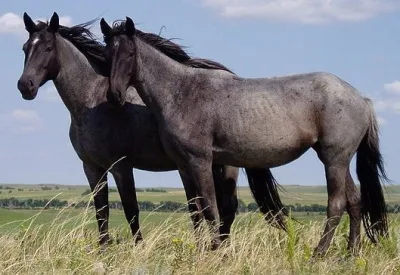
The Nokota horse is a feral and semi-feral horse breed located in the badlands of southwestern North Dakota in the United States. The breed developed in the 19th century from foundation stock consisting of ranch-bred horses produced from the horses of local Native Americans mixed with Spanish horses, Thoroughbreds, harness horses and related breeds. The Nokota was almost wiped out during the early 20th century when ranchers, in cooperation with state and federal agencies, worked together to reduce competition for livestock grazing. However, when Theodore Roosevelt National Park was created in the 1940s, a few bands were inadvertently trapped inside, and thus were preserved. In 1986, the park sold off many horses, including herd stallions, and released several stallions with outside bloodlines into the herds. At this point, brothers Leo and Frank Kuntz began purchasing the horses with the aim of preserving the breed, and founded the Nokota Horse Conservancy in 1999, later beginning a breed registry through the same organization. Later, a second, short-lived, registry was begun by another organization in Minnesota. In 2009, the North Dakota Badlands Horse Registry was created, which registers the slightly different type of horses which have been removed from the park in recent years. Today, the park conducts regular thinning of the herd to keep numbers between 70 and 110, and the excess horses are sold off. The Nokota horse has an angular frame, is commonly blue roan in color, and often exhibits an ambling gait called the "Indian shuffle". The breed is generally separated into two sections—the traditional and the ranch type—which differ slightly in conformation and height. They are used in many events, including endurance riding, western riding and English disciplines.
| Life Span | 25-30 years |
| Weight | 380-550 kg |
What to Know Before Buying a Nokota horse
Finding a responsible Nokota horse breeder requires more than browsing classified ads or responding to social media posts. The USDA requires any breeder who sells horses commercially — especially those selling online or through third-party dealers — to hold a federal license and submit to regular inspections. A legitimate breeder should be willing to provide their USDA license number, invite you to visit their facility, and show you where the animals are housed and socialized.
Before committing to a purchase, ask the breeder for veterinary health records, vaccination documentation, and any genetic testing results relevant to the Nokota horse. Reputable breeders will also ask you questions in return — about your living situation, experience with animals, and ability to provide long-term care. A breeder who asks no questions and is eager to ship an animal immediately is a significant red flag.
Use the search tool below to check whether any USDA-licensed facilities breeding Nokota horses appear in our database. If they do, review their inspection history carefully. Look for patterns of violations, pay attention to severity levels, and compare their compliance grade with other breeders in the same state. This due diligence takes minutes and can save you from supporting a facility with documented animal welfare problems.
Looking for a Nokota horse breeder?
Search our database of USDA-licensed facilities to find inspected breeders and check their compliance history.
Search USDA Breeders