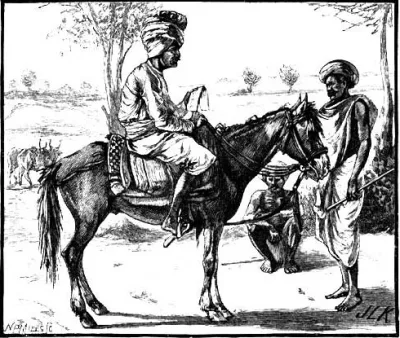
Northeastern horse
The Canadian (French: cheval canadien) is a horse breed from Canada. It is a strong, well-muscled horse, usually dark in colour. It is generally used for riding and driving. Descended from draft and light riding horses imported to Canada in the late 1600s from France, it was later crossed with other British and American breeds. During the 18th century the Canadian horse spread throughout the northeastern US, where it contributed to the development of several horse breeds. During the peak popularity of the breed, three subtypes could be distinguished, a draft horse type, a trotting type and a pacing type. Thousands of horses were exported in the 19th century, many of whom were subsequently killed while acting as cavalry horses in the American Civil War. These exports decreased the purebred Canadian population almost to the point of extinction, prompting the formation of a studbook and the passage of a law against further export. Experimental breeding programs in the early 20th century succeeded in re-establishing the breed to some extent, but mechanization, combined with two world wars, again resulted in the breed almost becoming extinct. In the 1980s, concerned with the declining population numbers, interested breeders undertook a promotional program, which resulted in renewed interest in the breed. By the 1990s, population numbers were higher, and genetic studies in 1998 and 2012 found relatively high levels of genetic diversity for a small breed. However, livestock conservation organizations still consider the breed to be at risk, due to low population numbers.
| Life Span | 25-30 years |
| Weight | 380-550 kg |
What to Know Before Buying a Northeastern horse
Finding a responsible Northeastern horse breeder requires more than browsing classified ads or responding to social media posts. The USDA requires any breeder who sells horses commercially — especially those selling online or through third-party dealers — to hold a federal license and submit to regular inspections. A legitimate breeder should be willing to provide their USDA license number, invite you to visit their facility, and show you where the animals are housed and socialized.
Before committing to a purchase, ask the breeder for veterinary health records, vaccination documentation, and any genetic testing results relevant to the Northeastern horse. Reputable breeders will also ask you questions in return — about your living situation, experience with animals, and ability to provide long-term care. A breeder who asks no questions and is eager to ship an animal immediately is a significant red flag.
Use the search tool below to check whether any USDA-licensed facilities breeding Northeastern horses appear in our database. If they do, review their inspection history carefully. Look for patterns of violations, pay attention to severity levels, and compare their compliance grade with other breeders in the same state. This due diligence takes minutes and can save you from supporting a facility with documented animal welfare problems.
Looking for a Northeastern horse breeder?
Search our database of USDA-licensed facilities to find inspected breeders and check their compliance history.
Search USDA Breeders