Pariah dog
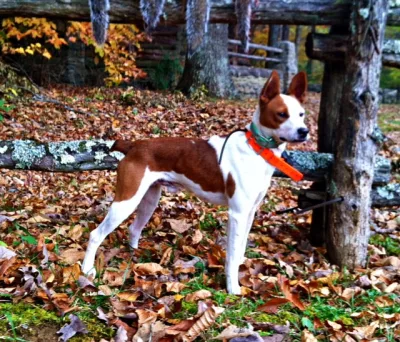
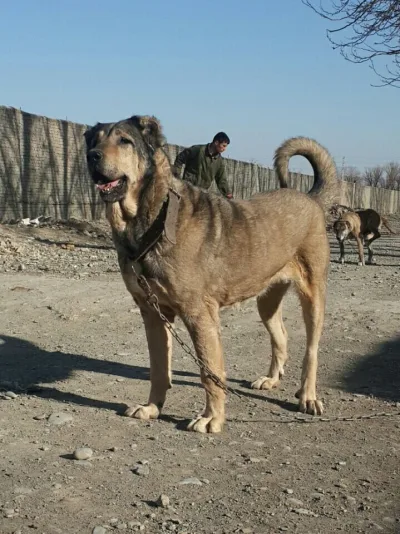
The Indian pariah dog, also known as the village dog, pye-dog, Indian native dog, or more modernly INDog, is an ecologically adapted dog with stray/wild habits that occupies the ecological niche of a scavenger in human settlements, and is typically found on the Indian subcontinent. While free-ranging dogs exist in many parts of the world, the term "pye-dog" is especially used to refer to such dogs from South Asia. The term "pariah" originates from the Tamil word meaning "outcast", which the British used to refer to stray dogs typically living on the outskirts of villages in India. The first recorded use of the term "yellow pariah dog" was by Rudyard Kipling in The Jungle Book. Many kennel clubs now prefer the term primitive dog to describe dogs of the pariah type, reflecting their close resemblance to early domesticated dogs. The Primitive and Aboriginal Dogs Society (PADS) reclassifies pariah dogs as INDogs and categorizes them as a subgroup of primitive and aboriginal dogs.
| Life Span | 10-14 years |
| Weight | 10-30 kg |
What to Know Before Buying a Pariah dog
Finding a responsible Pariah dog breeder requires more than browsing classified ads or responding to social media posts. The USDA requires any breeder who sells dogs commercially, especially those selling online or through third-party dealers, to hold a federal license and submit to regular inspections. A legitimate breeder should be willing to provide their USDA license number, invite you to visit their facility, and show you where the animals are housed and socialized.
Before committing to a purchase, ask the breeder for veterinary health records, vaccination documentation, and any genetic testing results relevant to the Pariah dog. Reputable breeders will also ask you questions in return, about your living situation, experience with animals, and ability to provide long-term care. A breeder who asks no questions and is eager to ship an animal immediately is a significant red flag.
Use the search tool below to check whether any USDA-licensed facilities breeding Pariah dogs appear in our database. If they do, review their inspection history carefully. Look for patterns of violations, pay attention to severity levels, and compare their compliance grade with other breeders in the same state. This due diligence takes minutes and can save you from supporting a facility with documented animal welfare problems.
Looking for a Pariah dog breeder?
Search our database of USDA-licensed facilities to find inspected breeders and check their compliance history.
Search USDA Breeders