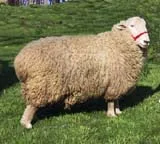
Sabi
Agriculture was the main economic activity in ancient Mesopotamia. Operating under tough constraints, notably the arid climate, the Mesopotamian farmers developed effective strategies that enabled them to support the development of the first known empires, under the supervision of the institutions which dominated the economy: the royal and provincial palaces, the temples, and the domains of the elites. They focused above all on the cultivation of cereals (particularly barley) and sheep farming, but also farmed legumes, as well as date palms in the south and grapes in the north. There were two types of Mesopotamian agriculture, corresponding to the two main ecological domains, which largely overlapped with cultural distinctions. The agriculture of southern or Lower Mesopotamia, the land of Sumer and Akkad, which later became Babylonia received almost no rain and required large scale irrigation works which were supervised by temple estates, but could produce high returns. The agriculture of Northern or Upper Mesopotamia, the land that would eventually become Assyria, had enough rainfall to allow dry agriculture most of the time so that irrigation and large institutional estates were less important, but the returns were also usually lower.
| Life Span | 10-12 years |
| Weight | 45-160 kg |
What to Know Before Buying a Sabi
Finding a responsible Sabi breeder requires more than browsing classified ads or responding to social media posts. The USDA requires any breeder who sells sheeps commercially — especially those selling online or through third-party dealers — to hold a federal license and submit to regular inspections. A legitimate breeder should be willing to provide their USDA license number, invite you to visit their facility, and show you where the animals are housed and socialized.
Before committing to a purchase, ask the breeder for veterinary health records, vaccination documentation, and any genetic testing results relevant to the Sabi. Reputable breeders will also ask you questions in return — about your living situation, experience with animals, and ability to provide long-term care. A breeder who asks no questions and is eager to ship an animal immediately is a significant red flag.
Use the search tool below to check whether any USDA-licensed facilities breeding Sabis appear in our database. If they do, review their inspection history carefully. Look for patterns of violations, pay attention to severity levels, and compare their compliance grade with other breeders in the same state. This due diligence takes minutes and can save you from supporting a facility with documented animal welfare problems.
Looking for a Sabi breeder?
Search our database of USDA-licensed facilities to find inspected breeders and check their compliance history.
Search USDA Breeders