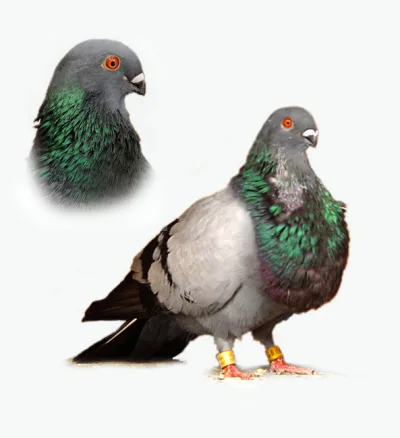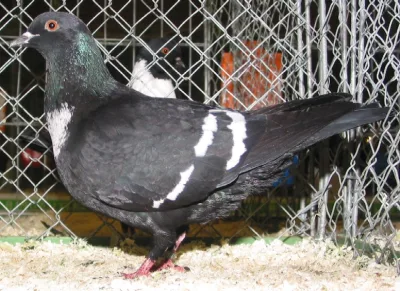
Starling
Starlings are small to medium-sized passerine (perching) birds known for the often dark, glossy iridescent sheen of their plumage; their complex vocalizations including mimicking; and their distinctive, often elaborate swarming behavior, known as murmuration. All members of the family Sturnidae, commonly called sturnids, are known collectively as starlings. The Sturnidae are named for the genus Sturnus, which in turn comes from the Latin word for starling, sturnus. The family contains 128 species which are divided into 36 genera. Many Asian species, particularly the larger ones, are called mynas, and many African species are known as glossy starlings because of their iridescent plumage. Starlings are native to Europe, Asia, and Africa, as well as northern Australia and the islands of the tropical Pacific. Several European and Asian species have been introduced to these areas, as well as North America, Hawaii, and New Zealand, where they generally compete for habitats with native birds and are considered to be invasive species. The starling species familiar to most people in Europe and North America is the common starling, and throughout much of Asia and the Pacific. Having strong feet, their flight is strong and direct, and they are very gregarious. Their preferred habitat is fairly open country, they eat insects and fruit, and most species nest in holes and lay blue or white eggs. Several species live around human habitation and are effectively omnivores. Many species search for prey such as grubs by "open-bill probing", that is, forcefully opening the bill after inserting it into a crevice, thus expanding the hole and exposing the prey; this behaviour is referred to as zirkeln (pronounced [ˈtsɪʁkl̩n]), after the German word Zirkel for a pair of compasses. Starlings have diverse and complex vocalizations and have been known to embed sounds from their surroundings into their own calls, including car alarms and human speech patterns. The birds can recognize particular individuals by their calls and have been the subject of research into the evolution of human language.
| Life Span | 6-15 years |
| Weight | 0.2-0.5 kg |
What to Know Before Buying a Starling
Finding a responsible Starling breeder requires more than browsing classified ads or responding to social media posts. The USDA requires any breeder who sells pigeons commercially, especially those selling online or through third-party dealers, to hold a federal license and submit to regular inspections. A legitimate breeder should be willing to provide their USDA license number, invite you to visit their facility, and show you where the animals are housed and socialized.
Before committing to a purchase, ask the breeder for veterinary health records, vaccination documentation, and any genetic testing results relevant to the Starling. Reputable breeders will also ask you questions in return, about your living situation, experience with animals, and ability to provide long-term care. A breeder who asks no questions and is eager to ship an animal immediately is a significant red flag.
Use the search tool below to check whether any USDA-licensed facilities breeding Starlings appear in our database. If they do, review their inspection history carefully. Look for patterns of violations, pay attention to severity levels, and compare their compliance grade with other breeders in the same state. This due diligence takes minutes and can save you from supporting a facility with documented animal welfare problems.
Looking for a Starling breeder?
Search our database of USDA-licensed facilities to find inspected breeders and check their compliance history.
Search USDA Breeders