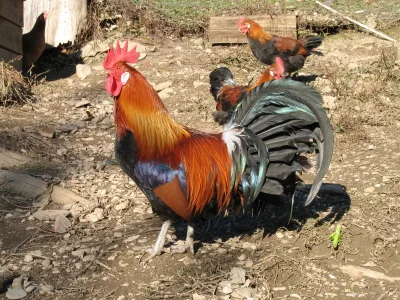
Sultan
Sultan (; Arabic: سلطان sulṭān, pronounced [sʊlˈtˤɑːn, solˈtˤɑːn]) is a position with several historical meanings. Originally, it was an Arabic abstract noun meaning "strength", "authority", "rulership", derived from the verbal noun سلطة sulṭah, meaning "authority" or "power". Later, it came to be used as the title of certain rulers who claimed almost full sovereignty (i.e., not having dependence on any higher ruler) without claiming the overall caliphate, or to refer to a powerful governor of a province within the caliphate. The adjectival form of the word is "sultanic", and the state and territories ruled by a sultan, as well as his office, are referred to as a sultanate (سلطنة salṭanah). The term is distinct from king (ملك malik), though both refer to a sovereign ruler. The use of "sultan" is restricted to Muslim countries, where the title carries religious significance, contrasting with the more secular king, which is used in both Muslim and non-Muslim countries. Brunei, Malaysia and Oman are the only sovereign states which retain the title "sultan" for their monarchs. In some places the title has been replaced by "king" by contemporary hereditary rulers who wish to emphasize their secular authority under the rule of law. A notable example is Morocco, whose monarch changed his title from sultan to king in 1957.
| Life Span | 5-10 years |
| Weight | 2-5 kg |
What to Know Before Buying a Sultan
Finding a responsible Sultan breeder requires more than browsing classified ads or responding to social media posts. The USDA requires any breeder who sells chickens commercially — especially those selling online or through third-party dealers — to hold a federal license and submit to regular inspections. A legitimate breeder should be willing to provide their USDA license number, invite you to visit their facility, and show you where the animals are housed and socialized.
Before committing to a purchase, ask the breeder for veterinary health records, vaccination documentation, and any genetic testing results relevant to the Sultan. Reputable breeders will also ask you questions in return — about your living situation, experience with animals, and ability to provide long-term care. A breeder who asks no questions and is eager to ship an animal immediately is a significant red flag.
Use the search tool below to check whether any USDA-licensed facilities breeding Sultans appear in our database. If they do, review their inspection history carefully. Look for patterns of violations, pay attention to severity levels, and compare their compliance grade with other breeders in the same state. This due diligence takes minutes and can save you from supporting a facility with documented animal welfare problems.
Looking for a Sultan breeder?
Search our database of USDA-licensed facilities to find inspected breeders and check their compliance history.
Search USDA Breeders