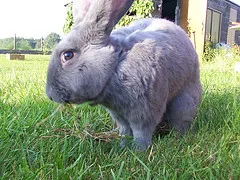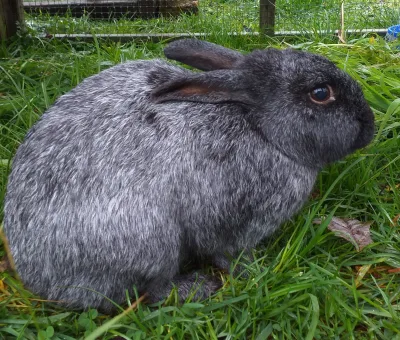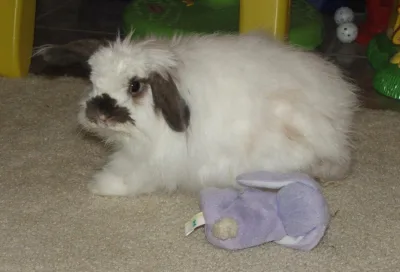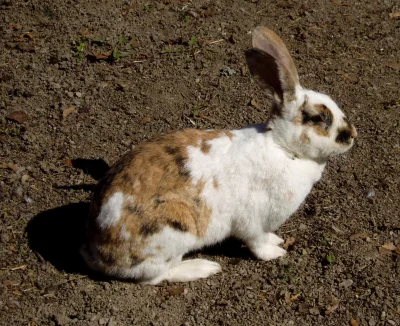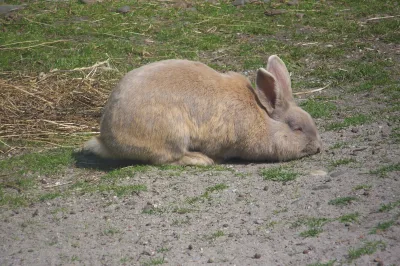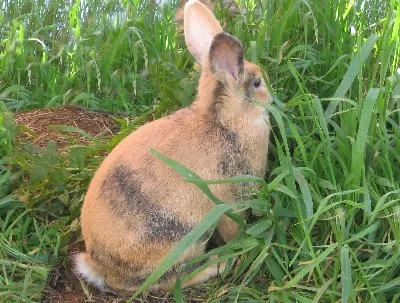
Swedish Hare
Hares are mammals belonging to the genus Lepus. They are herbivores and live solitarily or in pairs. They nest in depressions in the ground called forms, and their young are able to fend for themselves shortly after birth. The genus includes the largest lagomorphs. Most are fast runners with long, powerful hind legs, and large ears that dissipate body heat. Hare species are native to Africa, Eurasia and North America. A hare less than one year old is called a leveret. A group of hares may be called either a husk or a down. Members of the Lepus genus are considered true hares, distinguishing them from rabbits which make up the rest of the Leporidae family. There are five species with common names that include the word "hare" which are not considered true hares: the hispid hare, and four species known as red rock hares (belonging to the genus Pronolagus). Conversely, several Lepus species are called "jackrabbits", but classed as hares rather than rabbits. The pet known as the Belgian hare is a domesticated European rabbit which has been selectively bred to resemble a hare.
| Life Span | 8-12 years |
| Weight | 2-5 kg |
What to Know Before Buying a Swedish Hare
Finding a responsible Swedish Hare breeder requires more than browsing classified ads or responding to social media posts. The USDA requires any breeder who sells rabbits commercially, especially those selling online or through third-party dealers, to hold a federal license and submit to regular inspections. A legitimate breeder should be willing to provide their USDA license number, invite you to visit their facility, and show you where the animals are housed and socialized.
Before committing to a purchase, ask the breeder for veterinary health records, vaccination documentation, and any genetic testing results relevant to the Swedish Hare. Reputable breeders will also ask you questions in return, about your living situation, experience with animals, and ability to provide long-term care. A breeder who asks no questions and is eager to ship an animal immediately is a significant red flag.
Use the search tool below to check whether any USDA-licensed facilities breeding Swedish Hares appear in our database. If they do, review their inspection history carefully. Look for patterns of violations, pay attention to severity levels, and compare their compliance grade with other breeders in the same state. This due diligence takes minutes and can save you from supporting a facility with documented animal welfare problems.
Looking for a Swedish Hare breeder?
Search our database of USDA-licensed facilities to find inspected breeders and check their compliance history.
Search USDA Breeders