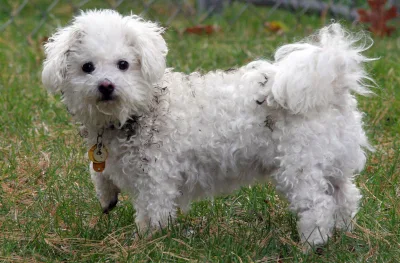
Toy Poodle
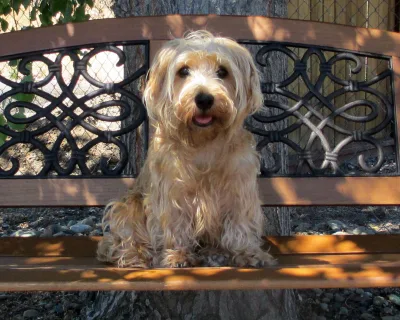
The Poodle, called the Pudel in German (German: [ˈpuːdl̩] ) and the Caniche in French, is a breed of water dog. The breed is divided into four varieties based on size, the Standard Poodle, Medium Poodle, Miniature Poodle and Toy Poodle, although the Medium Poodle is not universally recognised. They have a distinctive thick, curly coat that comes in many colours and patterns, with only solid colours recognised by major breed registries. Poodles are active and intelligent, and are particularly able to learn from humans. Poodles tend to live 10–18 years, with smaller varieties tending to live longer than larger ones. The Poodle likely originated in Germany, although the Fédération Cynologique Internationale (FCI, International Canine Federation) and a minority of cynologists believe it originated in France. Similar dogs date back to at least the 17th century. Larger Poodles were originally used by wildfowl hunters to retrieve game from water, while smaller varieties were once commonly used as circus performers. Poodles were recognised by both the Kennel Club of the United Kingdom and the American Kennel Club (AKC) soon after the clubs' founding. Since the mid-20th century, Poodles have enjoyed enormous popularity as pets and show dogs – Poodles were the AKC's most registered breed from 1960 to 1982, and are now the FCI's third most registered breed. Poodles are also common at dog shows, where they often sport the popularly recognised Continental clip, with face and rear clipped close, and tufts of hair on the hocks and tail tip.
| Life Span | 10-14 years |
| Weight | 10-30 kg |
What to Know Before Buying a Toy Poodle
Finding a responsible Toy Poodle breeder requires more than browsing classified ads or responding to social media posts. The USDA requires any breeder who sells dogs commercially, especially those selling online or through third-party dealers, to hold a federal license and submit to regular inspections. A legitimate breeder should be willing to provide their USDA license number, invite you to visit their facility, and show you where the animals are housed and socialized.
Before committing to a purchase, ask the breeder for veterinary health records, vaccination documentation, and any genetic testing results relevant to the Toy Poodle. Reputable breeders will also ask you questions in return, about your living situation, experience with animals, and ability to provide long-term care. A breeder who asks no questions and is eager to ship an animal immediately is a significant red flag.
Use the search tool below to check whether any USDA-licensed facilities breeding Toy Poodles appear in our database. If they do, review their inspection history carefully. Look for patterns of violations, pay attention to severity levels, and compare their compliance grade with other breeders in the same state. This due diligence takes minutes and can save you from supporting a facility with documented animal welfare problems.
Looking for a Toy Poodle breeder?
Search our database of USDA-licensed facilities to find inspected breeders and check their compliance history.
Search USDA Breeders