Turkish Van
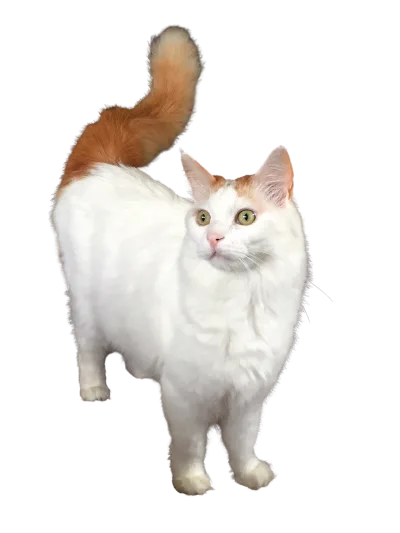
The Turkish Van is a semi-long-haired, standardised breed of domestic cat, which was developed during the 1950s the United Kingdom from a selection of cats obtained from various cities of modern-day Turkey, especially southeast Turkey. This rare cat breed is one of the larger ones, and is distinguished by the Van pattern (named after the breed), where the colour is restricted to the head and the tail, and the rest of the cat is white; this is due to the expression of the white spotting gene, a type of partial leucism. A Turkish Van may have blue or orange eyes, or be odd-eyed (having one eye of each colour). The breed was initially registered under the name Turkish cat in 1969 by UK-based Governing Council of the Cat Fancy (GCCF). It was later renamed Turkish Van to better distinguish it from the Turkish Angora breed. The Turkish Van has been claimed to be descended from (and is often confused with) the landrace of usually solid white Van cats, mostly found near Lake Van, though one of the two original breeders' own writings indicate clearly that none of the Turkish Van's foundation cats came from the Van area.
| Origin | Turkey |
| Life Span | 12-17 years |
| Weight | 4-9 kg |
What to Know Before Buying a Turkish Van
Finding a responsible Turkish Van breeder requires more than browsing classified ads or responding to social media posts. The USDA requires any breeder who sells cats commercially, especially those selling online or through third-party dealers, to hold a federal license and submit to regular inspections. A legitimate breeder should be willing to provide their USDA license number, invite you to visit their facility, and show you where the animals are housed and socialized.
Before committing to a purchase, ask the breeder for veterinary health records, vaccination documentation, and any genetic testing results relevant to the Turkish Van. Reputable breeders will also ask you questions in return, about your living situation, experience with animals, and ability to provide long-term care. A breeder who asks no questions and is eager to ship an animal immediately is a significant red flag.
Use the search tool below to check whether any USDA-licensed facilities breeding Turkish Vans appear in our database. If they do, review their inspection history carefully. Look for patterns of violations, pay attention to severity levels, and compare their compliance grade with other breeders in the same state. This due diligence takes minutes and can save you from supporting a facility with documented animal welfare problems.
Looking for a Turkish Van breeder?
Search our database of USDA-licensed facilities to find inspected breeders and check their compliance history.
Search USDA Breeders